 Max's PPPP
P4 Topic Selection
After my previous brainstorming session, I was left with three main ideas—additive synthesis, plate reverb, and phase issues. I’ve decided on plate reverb as my final topic, as I find it practical and the most physics related. It would also make for a great demonstration, since you could directly compare the sound of a signal with reverb with the sound of a signal without reverb.
For a recap, here’s a brief overview of reverb: Reverberation, or reverb, is what you hear when sound is reflected off the environment. A series of echoes is produced, continuing long after the original sound has stopped. Reverb is dependent on the properties of the room. For example, a large space will produce a longer reverb, whereas a small space will produce a short reverb.
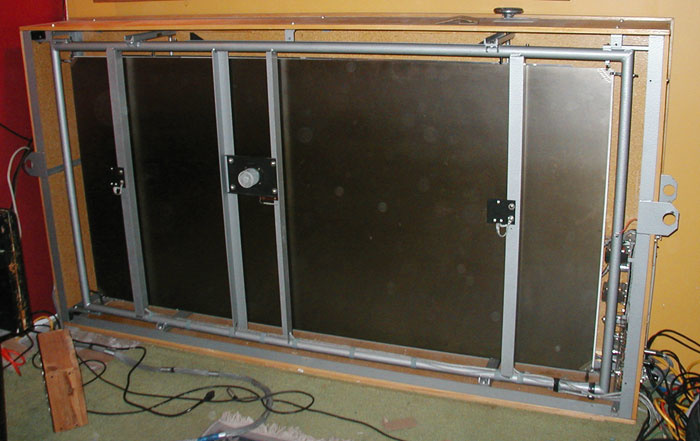
The metal sheet, or “plate”, is vibrated to create reverberation.
Goal
The main goal is to explain differences between plate and digital reverb.
Guiding Questions
Any interesting project will raise interesting questions. Here are a few important ones:
- How does the size of a room/plate affect reverb? There are many other parameters, but this is the most important one to consider. Clearly a larger size will decay slower, since it’ll take longer for reflections to be absorbed, but there are many nuanced details to analyse.
- What algorithms are used by digital reverbs? How do digital reverbs mimic different types of reverb such as plate reverb, spring reverb, hall reverb, etc?
- How well do digital reverbs replicate physical reverb? Is it accurate?
Plan of Action
- Research parameters such as size and decay to understand how they affect sound.
- Analyse MVerb and Dragonfly, open source reverbs. I don’t know how difficult the code will be to analyse, but hopefully looking into it will help me understand digital algorithms. Dragonfly attempts to realistically emulate reverbs such as hall, room, plate, etc. so comparing the settings used could help me understand the difference in sound between these reverb types.
Demonstration
The current demonstration plan is to design a physical plate reverb (1m x 2m). There are some useful guides online, from ProSoundWeb and Hackaday. They’re good guides, but seem beyond the scope of this project. LeoMakes’ video looks the most promising, and has a great sound to boot.
Once I construct the plate reverb, I’ll record the audio and do some proper A/B testing against my favourite digital reverbs, such as Valhalla VintageVerb. Then I’ll tweak some digital reverb settings to be as similar as possible to the physical reverb.
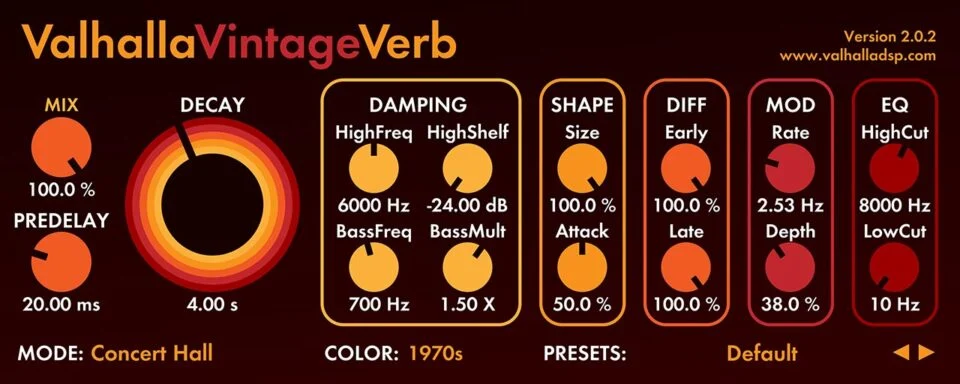
A wonderful reverb that also has great plate options.
Applications
- Reverb is the most important effect in music, from the natural reverb of cathedrals during choral performances to modern digital effects.
- Dereverbation is commonly used for voiceovers and live audio. It’s often applied in hands-free phones and desktop conferencing terminals. It’s also used for speech recognition.
- Plate reverb specifically is widely used, appearing on albums by The Beatles and Pink Floyd.
- Plate reverb is one of my personal favourite sounds, and I’d love to use it in my own music!
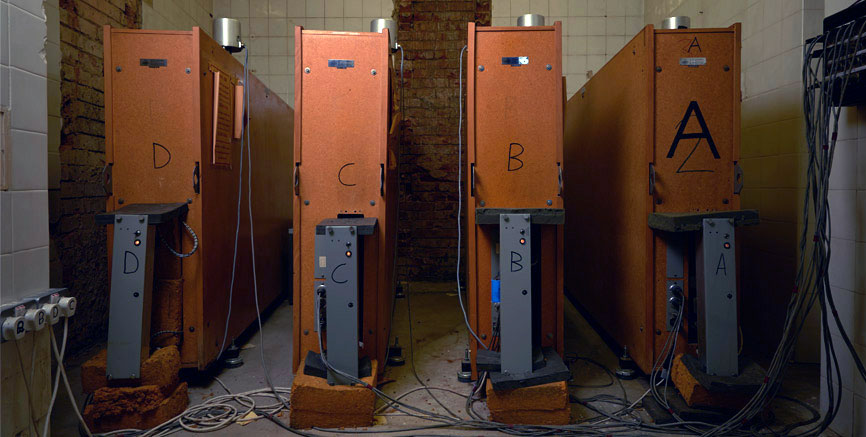
A famous set of plates held at Abbey Road.
So I’ll be tinkering away with my lush, reverberous sounds… wish me luck.